Proudly Canadian



Breaking a bone can put your life on hold. You might need time away from work, help with everyday activities or several weeks in a cast. But what happens when your fracture takes longer to heal than expected? A slow-healing fracture can affect more than your recovery. From missed paycheques and additional medical expenses to changes in your daily routine, the costs can quickly add up.
Let’s look at how delayed fracture healing can affect your finances, mobility and quality of life, along with the treatment options you can discuss with your healthcare team.
When a Fracture Takes Longer Than Expected
Most broken bones heal within several weeks to a few months, depending on the type and location of the fracture. However, some take longer than anticipated.
Your doctor may use two terms to describe slower healing:
- Delayed union: Your bone is healing, but progress is slower than expected.
- Non-union: Your bone has shown little or no healing progress over an extended period and may need additional treatment.
Approximately 5–10% of fractures experience delayed healing or non-union. Certain factors, including smoking, diabetes, poor blood supply and the severity of the injury, can increase this risk.
If your recovery isn’t progressing as planned, our guide to delayed union and non-union fractures explains what these terms mean and when additional care may be needed.
The Financial Impact of Missing Work
For many Canadians, time away from work is one of the biggest financial challenges of recovering from a broken bone. Taking a few weeks off may be manageable, but an extended recovery can put pressure on your finances, especially if your job involves standing, lifting or other physical activities.
If you’re eligible, Employment Insurance (EI) sickness benefits may help. In 2026, these benefits provide:
- 55% of your average insurable weekly earnings
- Up to $729 per week
- Coverage for up to 26 weeks¹
Although this financial support can make a difference, it may not replace your regular income. Depending on your situation, you might also need to use sick days, vacation time or personal savings while you recover. If you’re considering returning to work gradually, our guide to discussing modified duties with your employer offers practical tips to help you get started.
Additional Medical Expenses Can Add Up
A fracture that takes longer to heal may require more medical care than originally planned.
Depending on your injury, additional expenses could include:
- Follow-up appointments: Additional X-rays, specialist visits or assessments to monitor healing.
- Physiotherapy: Extra rehabilitation sessions to help restore strength and mobility.
- Medical equipment: Extended use of braces, supports or mobility aids.
- Transportation: Hospital parking, taxis or rides to appointments when driving isn’t possible.
- Help at home: Assistance with groceries, cleaning or other household responsibilities.
While some services may be covered by provincial healthcare or private insurance, others can leave you paying out of pocket. For more complicated fractures, your doctor may also discuss additional procedures or surgery, which could mean a longer recovery.
How Slow Healing Affects Everyday Life
Not every cost of a broken bone is financial. When you’re recovering, even simple activities like walking the dog, carrying groceries or climbing stairs can become difficult. You might also need to put hobbies, exercise or social activities on hold.
Extended periods of reduced activity can make it harder to maintain muscle strength and balance, particularly for older adults. There’s also the emotional side of recovery. Feeling frustrated, discouraged or uncertain about when you’ll return to your usual routine is understandable. If your recovery is taking longer than expected, speak with your healthcare team about your progress and whether your treatment plan needs to change.
Could a Bone Stimulator Be an Option?
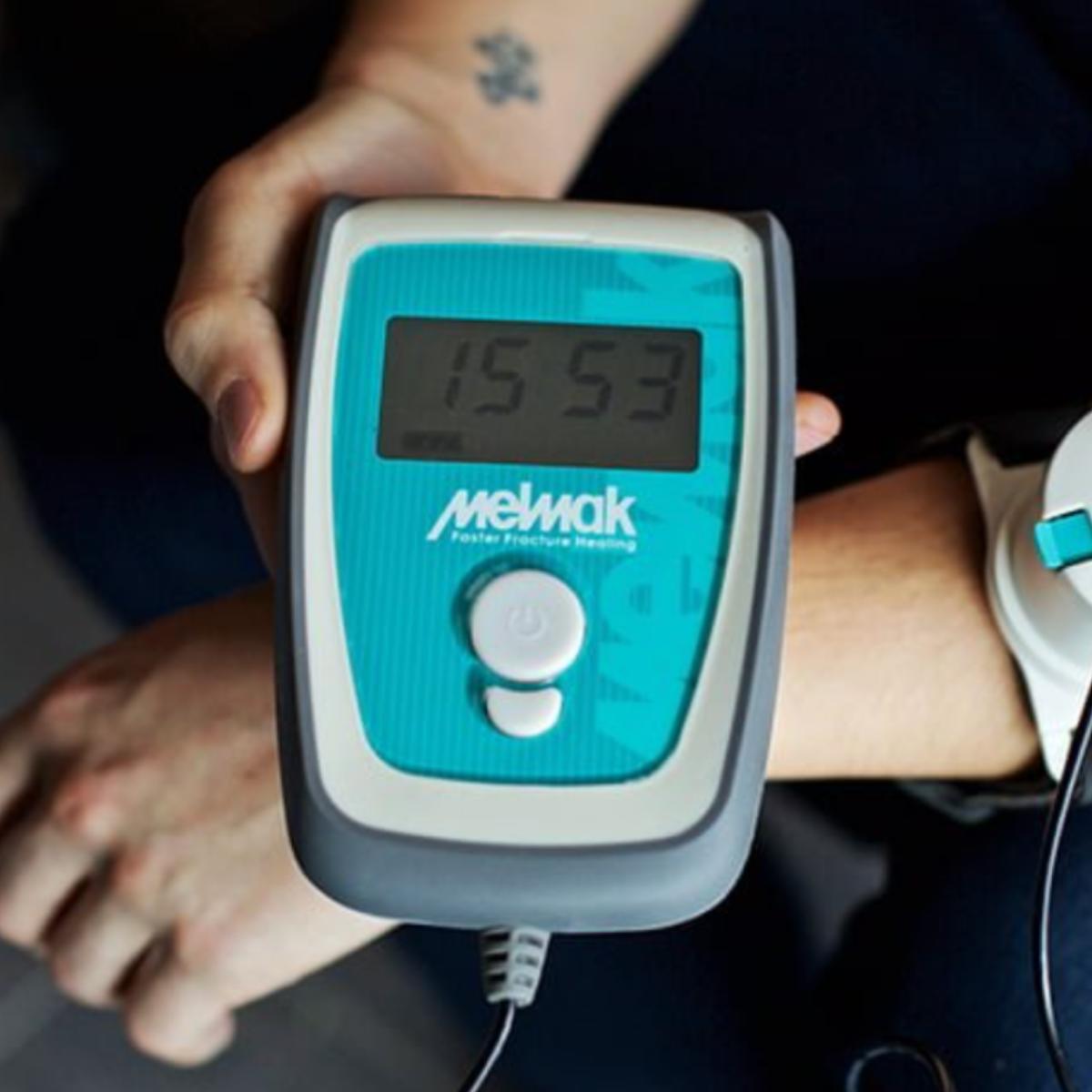
If your fracture isn’t healing as expected, your doctor may discuss additional treatment options, including bone stimulation. The Melmak LIPUS device uses low-intensity pulsed ultrasound (LIPUS) to deliver gentle ultrasound waves to the fracture site. It is designed to stimulate the body’s natural bone-healing processes.
The device offers several practical features:
- 20-minute daily treatments that can be completed at home.
- Non-invasive technology with no needles or surgery required for treatment.
- Portable design that fits into your daily routine.
However, research into LIPUS has produced mixed results. More recent studies have not consistently shown improved healing compared with placebo treatment, particularly for non-union fractures.² Your doctor can help you understand the evidence and decide whether this type of therapy is appropriate for your circumstances.
If LIPUS is recommended, insurance may help with the cost. Many Canadian plans offer coverage for bone stimulation devices, and our team can help you explore your insurance options.
Frequently Asked Questions
How much does a slow-healing fracture cost?
The total cost depends on your injury, occupation, insurance coverage and recovery time. Lost income, additional medical appointments, rehabilitation and transportation are some of the most common expenses.
How do I know if my fracture is healing too slowly?
Ongoing pain, swelling or difficulty returning to normal activities may be reasons to speak with your doctor. Follow-up imaging and medical assessments can help determine whether your bone is healing as expected.
Can I receive EI benefits while recovering from a broken bone?
Yes, you may qualify for EI sickness benefits if your injury prevents you from working and you meet the eligibility requirements. You’ll need a medical certificate and sufficient insurable work hours. Service Canada can help determine whether you’re eligible.
Does insurance cover bone stimulators in Canada?
Some Canadian insurance plans, including plans offered through Canada Life, Sun Life, Empire Life and Blue Cross, may cover LIPUS devices. Coverage depends on your individual policy, and our team can help you review your options before renting or purchasing a device.
Take the Next Step in Your Recovery
A slow-healing fracture can affect your finances, independence and everyday life, but understanding your options can help you make informed decisions about your recovery. Contact our team today to learn more about LIPUS therapy and whether it may be an option to discuss with your healthcare provider.
At Fracture Healing, we’ve been helping Canadians access LIPUS technology since 2004. Our team can answer your questions, help you understand your insurance coverage and arrange free Canada-wide shipping on device rentals and purchases.
References
- Government of Canada. EI sickness benefits: How much could you receive?
- Côté-Picard C, et al. The use of low-intensity pulsed ultrasound for the treatment of established nonunion fractures: A systematic review and meta-analysis. Medicine. 2026;105(24).