Proudly Canadian


September is Pain Awareness Month in Canada. For someone recovering from a broken bone, ongoing pain can become a much bigger part of life than expected. Maybe you were told your fracture would heal within a few weeks, but months later, you are still dealing with pain, swelling, weakness, or difficulty putting weight on the injured area. Living with a fracture that does not seem to be healing can be frustrating and exhausting. It can affect your sleep, your work, your mobility, and the everyday things you normally take for granted. It can also be difficult when you do not have clear answers about why your recovery is taking so long.
When a Fracture Isn’t Healing as Expected
Most broken bones heal over time, although the exact timeline can vary depending on the type and location of the fracture and your overall health. Sometimes, a fracture simply takes longer than expected to heal. This is often called a delayed union. If the bone shows little or no progress toward healing over several months, your doctor may describe it as a non-union fracture.
If these terms are new to you, that is completely understandable. Your doctor can help explain what they mean in your particular situation. You can also learn more in our guide to what your doctor means by delayed union and non-union fractures.
Most importantly, a fracture that is not healing does not mean you did something wrong.
There are many reasons a bone may have trouble healing. These can include reduced blood flow to the area, an infection, bone loss, smoking, certain medications, or health conditions such as diabetes or osteoporosis. Sometimes, there is no obvious reason why a fracture is taking longer to heal.
Your doctor can help look at the bigger picture and determine what may be affecting your recovery.
What It’s Like to Live With Ongoing Fracture Pain
When a broken bone does not heal as expected, the impact can go far beyond the original injury. You may find yourself changing the way you move because of pain or weakness. Simple things like walking, climbing stairs, carrying groceries, getting dressed, or getting through a day at work may suddenly take much more effort.
You may also be dealing with:
- Pain that does not seem to be going away
- Swelling or tenderness around the injured area
- Difficulty putting weight on an injured leg or foot
- Reduced strength or movement
- Trouble sleeping comfortably
- Fatigue from constantly dealing with pain
- Frustration about not being able to return to your normal activities
What Can You Do If Your Fracture Isn’t Healing
If your fracture has been taking longer to heal than expected, talk with your doctor about what may be preventing healing and what options are available to you. Depending on your situation, your doctor may recommend additional imaging, changes to your treatment plan, or referral to an orthopaedic specialist.
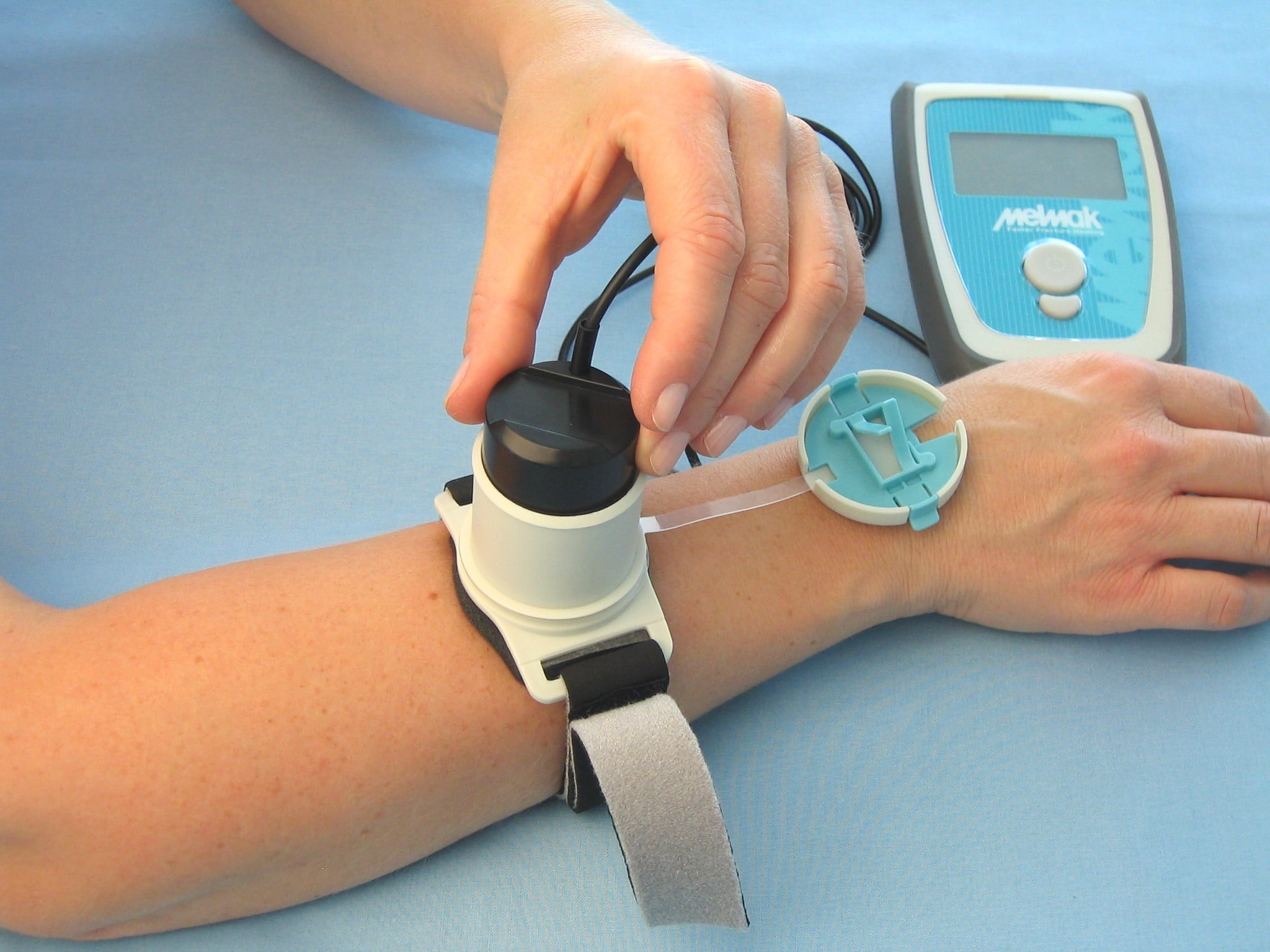
You can also ask whether non-surgical treatments may be appropriate before moving on to more invasive options. One option your doctor may discuss is Low Intensity Pulsed Ultrasound (LIPUS). LIPUS uses low-intensity ultrasound waves to support the body’s natural bone-healing process. The Melmak LIPUS device provides a 20-minute treatment that can be done at home once a day. The treatment is non-invasive and does not require a clinic visit.
If LIPUS is something you are considering, talk with your doctor about whether it is appropriate for your type of fracture and situation.
What Can You Do If Your Fracture Isn’t Healing
Cost and insurance coverage are understandably important considerations when you are already dealing with a long recovery. Coverage for bone stimulators can vary depending on your insurance provider, your specific plan, and whether you rent or purchase the device.
Whatever treatment you and your doctor choose, it is worth taking the time to understand your options. Ask about what the treatment involves, what you can realistically expect, how long you may need to use it, and what your insurance plan covers. Having those answers can make the next step feel a little less overwhelming.

Phone call, smile and elderly woman on chair in living room for discussion, gossip or communication. Technology, relax and senior person in retirement home with tech for conversation and break
Frequently Asked Questions
What to do when a fracture won’t heal after months?
Start by talking to your doctor about whether your fracture meets the criteria for a delayed or non-union fracture. From there, ask about non-surgical options like LIPUS therapy, as well as whether any underlying health conditions may be contributing to slow healing.
What is considered a non-union fracture?
A fracture is generally considered a non-union when it shows no signs of healing several months after the injury, well beyond the expected recovery window. Roughly 10 percent of fractures result in delayed or non-union healing.
Can a bone stimulator help with non-union fracture pain?
Bone stimulation devices like Melmak are not designed as pain medications, but by supporting the underlying healing process, they may help address the source of ongoing pain for some patients with delayed or non-union fractures. Evidence suggests LIPUS therapy can help support healing in fractures that have stalled.
Is LIPUS therapy or a bone stimulator covered by insurance in Canada?
Coverage depends on your insurer and plan, and whether you choose to rent or purchase a device. Many Canadian plans offer partial reimbursement. Our guide to insurance coverage for bone stimulators has more detail, and our team can help confirm your coverage directly.
When should I see a specialist about a fracture that isn’t healing?
If your fracture has not shown meaningful progress by the timeline your doctor originally gave you, it is worth a follow-up appointment. Your doctor may refer you to an orthopaedic specialist to assess whether a delayed or non-union fracture is contributing to your ongoing pain.
Ready To Explore Your Options?
Living with a fracture that will not heal is genuinely difficult, and the pain and uncertainty that come with it are real. But a stalled fracture is not the end of the road. Speak With Our Team
to see if we can help you.