Proudly Canadian

 Smoking is one of the most common habits among Canadian adults, but few people realize it can also affect how quickly a broken bone heals. If you or someone you love is recovering from a fracture and smokes, understanding the link between smoking and bone healing can help you make more informed choices during recovery. Below, we look at what the research says, why smoking affects the healing process, and what support options exist for a fracture that is healing more slowly than expected.
How Smoking Affects Blood Flow and Bone Repair
Bone healing depends heavily on blood flow. When a fracture occurs, the body needs a steady supply of oxygen and nutrients to rebuild bone tissue at the injury site. Smoking narrows blood vessels and reduces circulation, which can limit the amount of oxygen that reaches the fracture. Nicotine also affects the cells responsible for forming new bone, called osteoblasts. Research suggests that nicotine can interfere with these cells’ ability to function properly, which may contribute to a slower repair process. Carbon monoxide from cigarette smoke further reduces the blood’s oxygen-carrying capacity, compounding the effect.
Together, these factors help explain why smoking-delayed fracture healing is a well-documented concern among orthopaedic specialists.
Other Risk Factors That Can Slow Down Fracture Healing
Smoking is not the sole risk factor affecting bone healing. Diabetes, osteoporosis, long-term steroid use, and obesity have all been associated with slower recovery times. Patients managing more than one of these factors at once may find recovery takes longer than expected, even with proper cast care and rest.
Support Options for Slow Healing Fractures
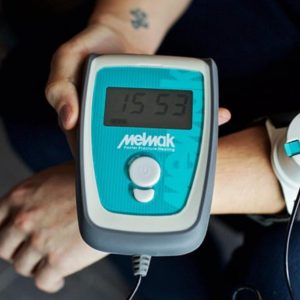
For patients whose fracture is healing slowly or has stalled, non-invasive options exist that do not require surgery. The Melmak LIPUS device uses Low Intensity Pulsed Ultrasound to help support the body’s natural bone repair process through a simple 20-minute daily treatment at home. It is designed to help address fresh fractures as well as fractures complicated by risk factors such as smoking, diabetes, or osteoporosis.
If you have been told your fracture is healing slowly, a bone stimulator for slow-healing fractures may be worth discussing with your doctor. Learn more about how our Melmak LIPUS device works and whether it may be appropriate for your recovery.
Frequently Asked Questions
Does smoking really slow down bone healing?
Yes. Research indicates smoking can extend the time it takes for a fracture to heal, largely due to reduced blood flow and oxygen delivery to the injury site. The effect can vary by fracture type and overall health.
How does smoking affect blood flow to a fracture?
Nicotine narrows blood vessels, while carbon monoxide reduces the amount of oxygen the blood can carry. Both effects can limit the oxygen and nutrients available to support bone repair.
Can quitting smoking help my bone heal faster?
Speaking with your doctor about quitting smoking during fracture recovery may help improve healing conditions, though individual results vary depending on overall health and fracture type.
What other factors can slow down fracture healing?
Diabetes, osteoporosis, long-term steroid use, obesity, and certain medications have all been linked to slower fracture healing. Visit our patients page to learn more about how these factors are addressed.
Is there a treatment option for a fracture that is healing slowly?
Yes. Non-invasive options such as LIPUS therapy are available to help support healing in fractures complicated by risk factors like smoking. Speak with our team to find out whether this option is right for you.
Book an Appointment
Our team can help you understand your options and confirm whether Melmak LIPUS therapy may support your recovery, wherever you are in Canada.
References
- Dailey HL, Wu KA, et al. Tibial Fracture Nonunion and Time to Healing After Reamed Intramedullary Nailing: Risk Factors Based on a Single-Center Review of 1,003 Patients. Journal of OrthopaedicTrauma. 2018.