Proudly Canadian


When you break a bone, everyone seems to have advice. 
One person tells you to stay off it completely. Someone else says you’re good to go once the cast comes off. While some advice can be helpful, a few common fracture healing myths can actually make recovery more confusing.
Let’s clear up five of the most common myths so you can better understand what healing really looks like and know what to discuss with your care team.
Myth 1: Complete Rest Helps a Fracture Heal Faster
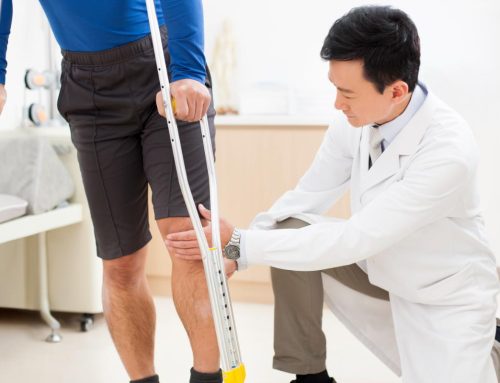
Rest is important, especially in the early stages of healing. A cast, splint or brace helps protect the fracture while your body starts repairing the bone.
But complete inactivity is not always better.
Once your doctor or physiotherapist says it is safe, gentle movement and gradual weight-bearing can help the bone rebuild and strengthen. Staying inactive for too long may also lead to stiffness, muscle loss and reduced mobility.
The goal is not to rush. It is to start moving again at the right time and at the right pace.
Myth 2: Once the Cast Comes Off, You’re Fully Healed
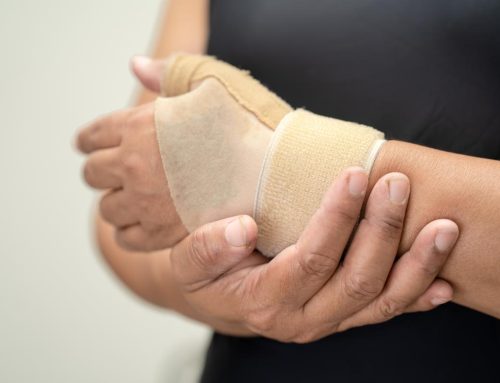
Getting your cast off is a big milestone, but it does not always mean the healing process is finished.
Your bone may be stable enough for more activity, but it can continue rebuilding and strengthening for months afterward.
That is why you may still need physiotherapy or a gradual return to exercise, sports or heavier activity.
Want to know what recovery can look like at each stage? Our guide to fracture healing time explains what to expect.
Myth 3: If It Doesn’t Hurt, It Must Be Healed
Pain can give you clues, but it does not always tell the full story. Some fractures start feeling much better before the bone is fully strong, which can make it tempting to do too much too soon. Other fractures may continue to ache even when healing is progressing.
If pain returns, lingers or your recovery feels like it has stalled, it is worth checking in with your doctor. Imaging can help show how the bone is healing. Our article on living with a non-union fracture explains what can happen when a fracture takes longer than expected to heal.
Myth 4: There’s Nothing You Can Do but Wait
Healing takes time, but your everyday habits can make a difference.
Simple things like:
- Eating enough protein, calcium and vitamin D
- Getting quality sleep
- Following your rehabilitation plan
- Avoiding smoking or cutting back
can all help support your body while it repairs the bone.
Certain health conditions, including diabetes and osteoporosis, can also affect healing. If you have any health concerns that may impact recovery, talk to your doctor about whether you need extra support.
Myth 5: Bone Stimulators Are Only Used as a Last Resort
Bone stimulators are often associated with fractures that have been slow to heal, but they may be discussed earlier in some recovery plans.
Low Intensity Pulsed Ultrasound, or LIPUS, has been studied as a non-invasive option for supporting fracture healing.
A 2002 meta-analysis published in the Canadian Medical Association Journal found that LIPUS may help reduce healing time in some fractures treated without surgery [1].
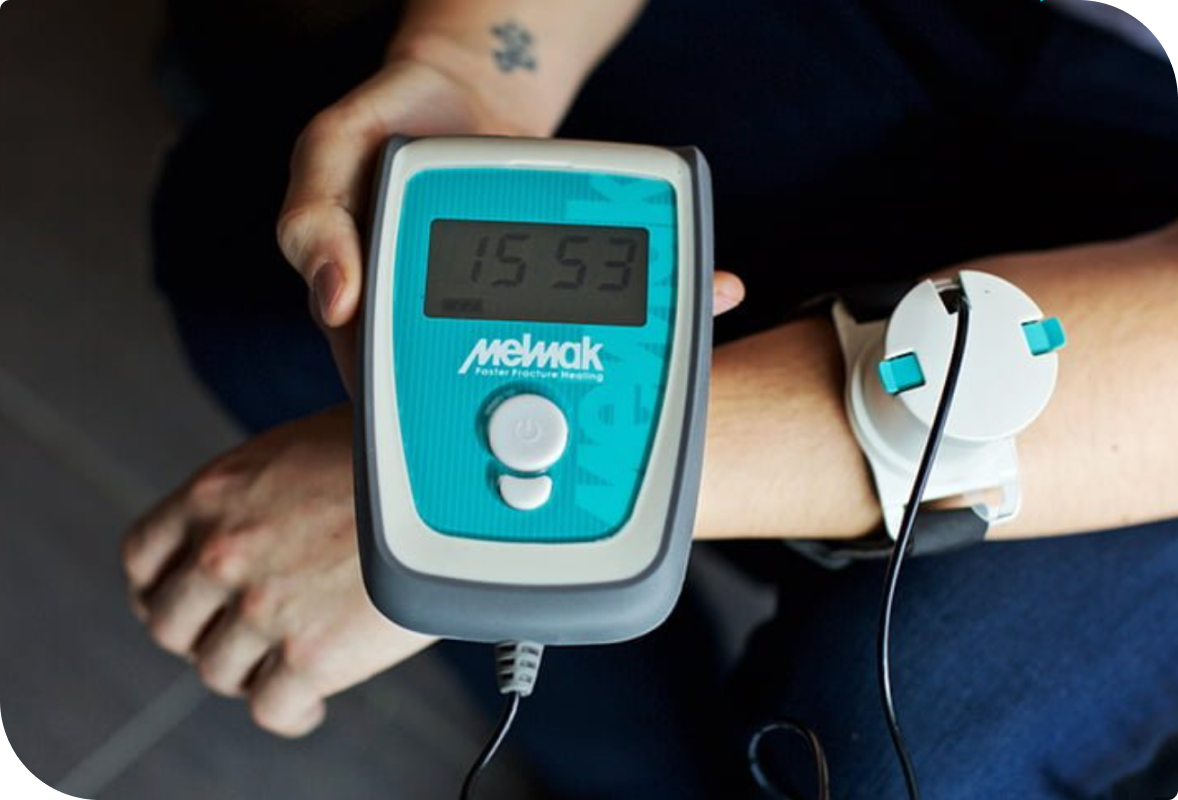
The Melmak LIPUS device is used at home for 20 minutes a day and does not require needles or clinic visits.
If you are concerned about your healing timeline, it may be worth asking your care team whether LIPUS could be an option for you.
Fracture Healing Myths: Frequently Asked Questions
Does Complete Rest Help a Fracture Heal Faster?
Rest is important early on, but staying completely inactive is not always best. Once your care team gives you the go-ahead, gradual movement and weight-bearing can help support recovery.
How Long Does a Broken Bone Take to Heal?
Many fractures take around six to eight weeks to become stable enough for a cast to come off, but full healing can take longer. Your age, overall health and the type and location of the fracture can all affect your recovery timeline.
How Do I Know If My Fracture Is Not Healing Properly?
Ongoing pain, swelling or instability may be signs that healing is taking longer than expected. Your doctor can use imaging to get a clearer picture of how the bone is progressing.
Can I Use a Bone Stimulator at Home?
The Melmak device is non-invasive and designed for home use. Before starting any bone stimulation treatment, it is a good idea to speak with your doctor about whether it is appropriate for you.
You can learn more on our patients page.
Does Insurance Cover a Bone Stimulator in Canada?
Some Canadian insurance plans may cover LIPUS devices for rental or purchase, but coverage depends on your individual plan.
Our guide to bone stimulator insurance coverage in Canada explains what to ask your provider.
Give Your Recovery the Support It Needs
Fracture healing is not always as simple as resting and waiting.
Understanding when to move, what symptoms to watch for and what treatment options may be available can help you feel more informed throughout your recovery.
If you are wondering whether LIPUS therapy could be part of your healing plan, our team can explain how the Melmak device works, help you navigate insurance coverage and answer your questions.
Contact our team to learn more about supporting your fracture recovery.
References
- Busse JW, Bhandari M, Kulkarni AV, Tunks E. The effect of low-intensity pulsed ultrasound therapy on time to fracture healing: a meta-analysis. CMAJ. 2002;166(4):437-441.