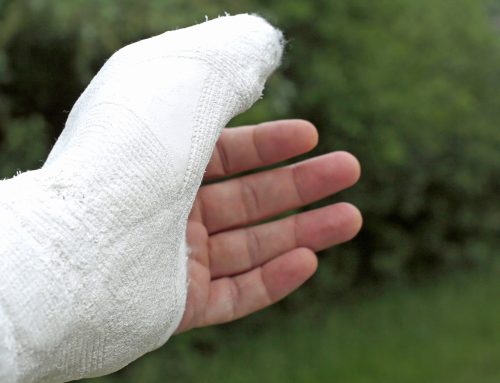
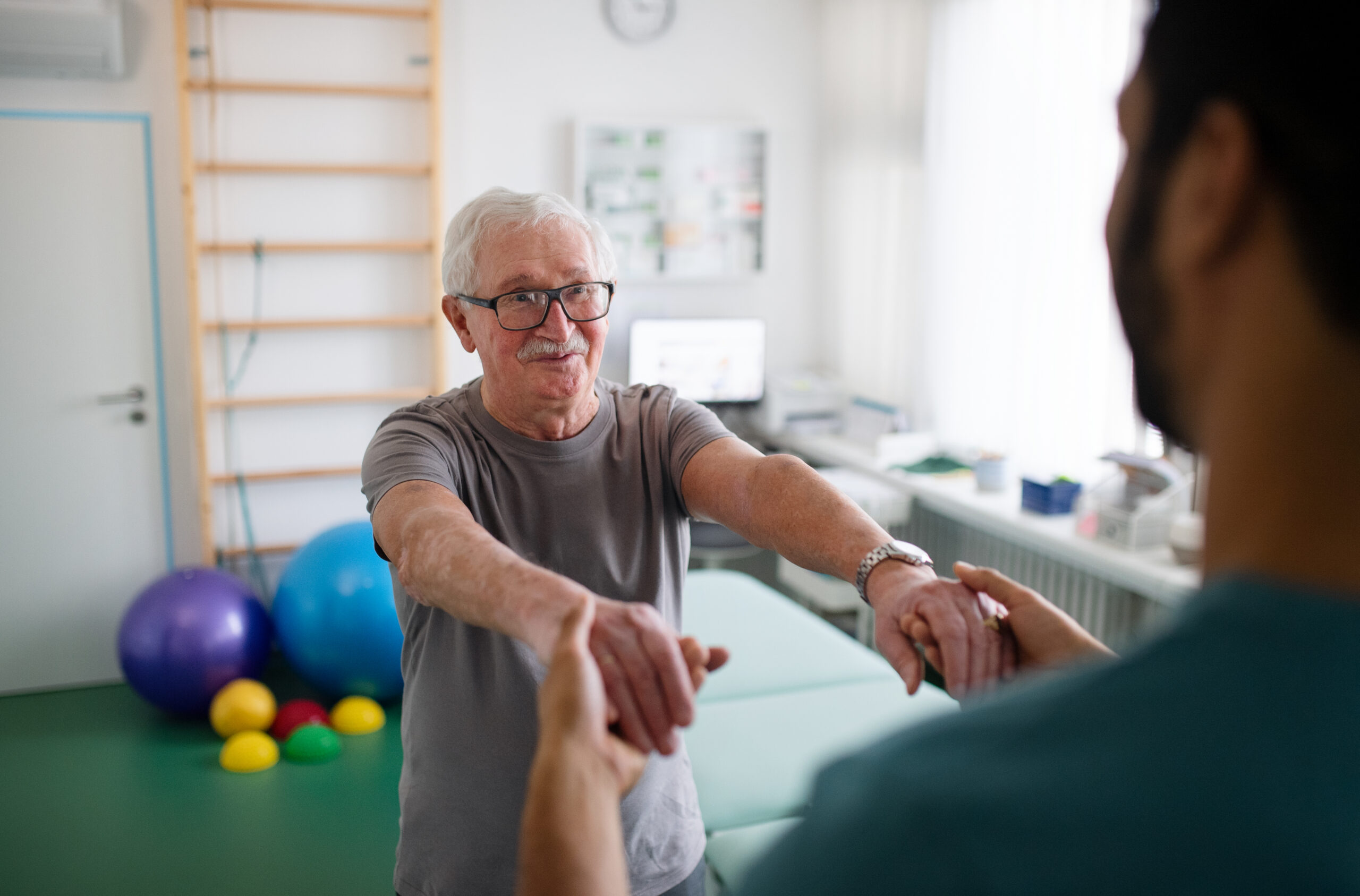
 When you break a bone, it can feel as though everything in life has to stop. Many people ask us what actually happens inside the body during fracture recovery, how long bones take to heal, and what they can do to support the process. At Fracture Healing, operated by Inline Medical Inc., we work every day with people across Canada who are navigating these same questions and looking for clear, reliable answers.
What Happens When You Break a Bone?
Understanding how bones heal starts with what happens in the first moments after an injury. A fracture is more than a “crack” on an X-ray. It also affects nearby blood vessels, soft tissues, and the bone’s internal structure.
Right after a fracture, blood collects around the break and forms a clot. This is the body’s way of establishing the area and creating a foundation for the next stages of fracture healing. Over time, this early clot is replaced by new tissue and, eventually, new bone. This step-by-step bone repair biology is what allows most people to return to daily activities.
The Main Stages of Fracture Healing
Understanding how bones heal means looking at the bone healing process, which follows several overlapping stages. While every person is different, these fracture recovery stages often include:
- Inflammation (Days 1–7): Swelling, warmth, and pain are common. The blood clot forms and immune cells move in to clear damaged tissue.
- Soft callus formation (Weeks 1–3): The body begins building a “bridge” across the fracture with soft tissue made from collagen and cartilage. This is the first visible bone callus formation on the healing bone.
- Hard callus formation (Weeks 3–8+): The soft callus gradually turns into hard bone, providing more stability to the fracture site.
- Bone remodeling (Months to years): The body slowly reshapes the healed area, smoothing and strengthening the bone so it functions more like it did before the injury.
Even after a fracture looks “healed” on an X-ray, bone remodeling can continue in the background as your body fine-tunes the repair.
How Long Does a Bone Take to Heal?
One of the most common questions we hear is: how long does bone take to heal? For many adults, simple fractures may start to knit within weeks, but full recovery often takes several months. Healing times can be longer in older adults and in those with health conditions such as osteoporosis or diabetes, or in people who smoke.
Bone density and overall skeletal health also matter. In people with osteoporosis, bones are less dense and more fragile, which can increase fracture risk and complicate recovery. Treatments that build bone strength and then help maintain it may improve bone mineral density (BMD) at important sites like the spine, femoral neck, and hip while lowering the chance of new fractures in people with primary osteoporosis.2
What Supports Healthy Bone Healing?
While the body does the main repair work on its own, several factors can support the bone healing process:
- Stable fracture alignment: Casts, boots, braces, or surgery are sometimes used to hold the bone in the right position so a new bone can form safely.
- Nutrition and lifestyle: A varied, balanced eating pattern that includes plenty of nutrient-rich foods appears to support better long-term bone health. Patterns similar to a Mediterranean-style diet have been associated with lower fracture risk over time. In contrast, strong calorie restriction may increase bone turnover and make bones more vulnerable.1
- Medications for low bone density: In people with primary osteoporosis, starting with bone-building medications followed by treatments that slow bone breakdown has been associated with greater gains in BMD at the spine, hip, and femoral neck, along with fewer new fractures compared to other drug approaches.2
- Targeted supplements: B vitamins (such as folate, B6, and B12) have not been shown to meaningfully reduce fracture risk or improve BMD or bone turnover markers on their own, so they may not be relied on as a primary bone treatment strategy.3
Because everyone’s health is unique, we always encourage you to speak with your healthcare professional about medications, supplements, and diet changes that are right for you.
Where Does LIPUS Fit Into Fracture Recovery?
At Fracture Healing, we focus on supporting the body’s natural bone repair biology using low-intensity pulsed ultrasound (LIPUS). This non-invasive technology is designed to be used at home, alongside your existing care plan. While your cast, boo
t, or surgical fixation holds the bone still, LIPUS therapy may help support the body’s own healing activity at the fracture site.
Our team works closely with patients who are dealing with acute fractures, as well as those with delayed or non-union fractures where healing seems to have stalled. We understand that many people we support are older adults, may be living with osteoporosis, diabetes, or other conditions, and are trying to avoid additional surgery where possible. Our goal is to help you understand how bones heal, what options you may have, and how technologies such as our LIPUS bone stimulator may fit into your care plan.
Fracture Healing Across Different Lifestyles
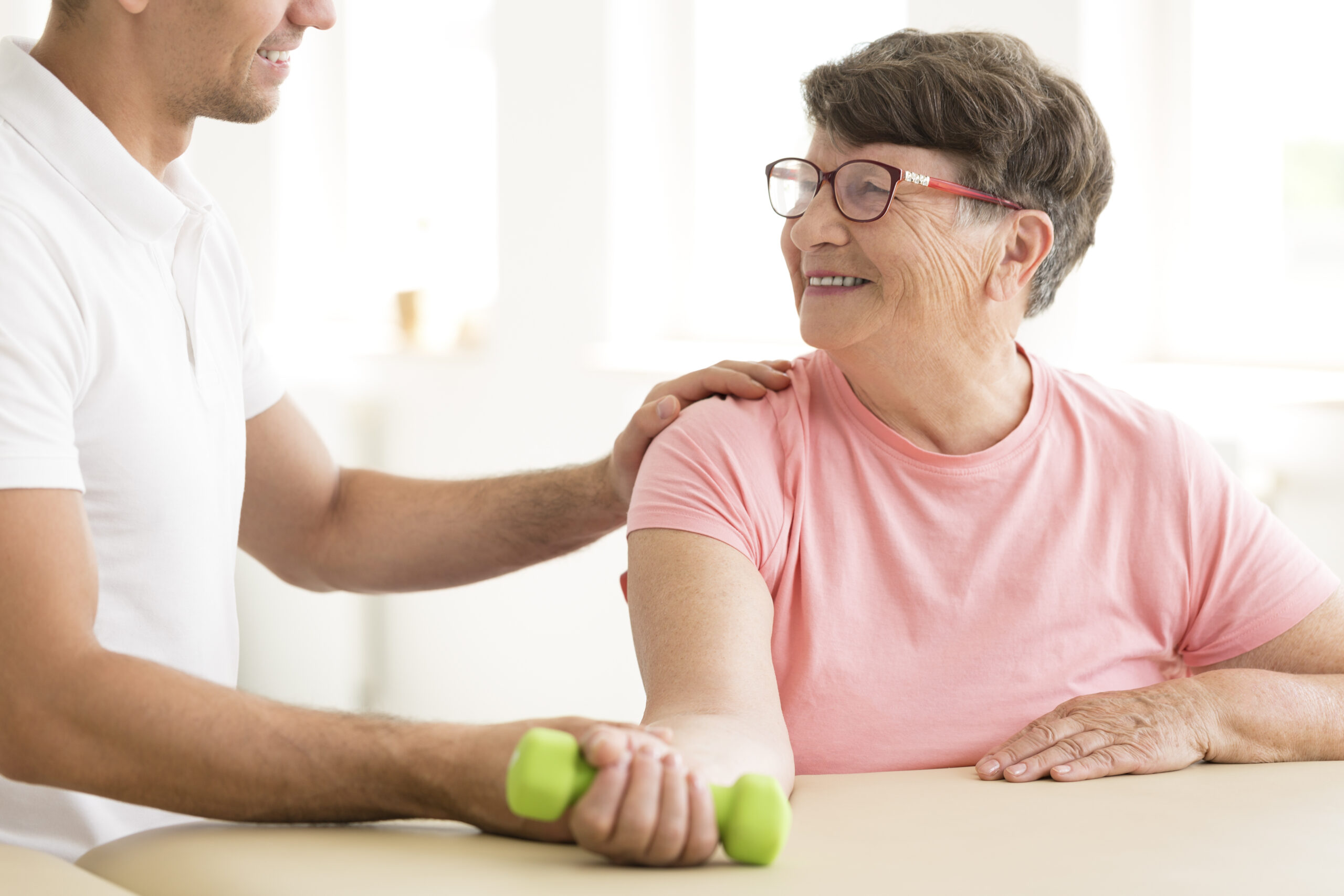
We see three broad groups of people using our services across Canada:
- Recovery Seekers: Adults, often 55 and older, who want to heal properly and get back to walking, driving, working, or caring for family. Many people worry about treatment costs and insurance coverage. We work with insurers such as Canada Life and Sun Life and provide support to help you navigate coverage and access.
- Performance Champions: Athletes, coaches, and trainers focused on minimizing downtime. They are often managing structured rehabilitation and are looking for fracture healing science they can trust to support a safe return to sport.
- Recovery Advocates: Orthopedic surgeons, sports medicine physicians, physiotherapists, and fracture clinics looking for reliable, non-surgical options to support their patients’ fracture recovery stages.
Whether you came to us through a fracture clinic, a referral, or a web search for how bones heal, we aim to make your next steps clear and manageable. You can learn more about who we are and who we help on our main site at Fracture Healing.
Frequently Asked Questions About How Bones Heal
What are the main stages of fracture healing?
Most fractures move through inflammation, soft callus formation, hard callus formation, and then bone remodeling. Together, these stages form the bone healing process that gradually restores strength to the injured area.
Why is my fracture taking longer to heal?
Age, the type of fracture, blood supply to the area, smoking, certain medications, and conditions such as osteoporosis or diabetes can all slow fracture recovery stages. In some cases, a fracture may progress to delayed union or non-union, requiring additional treatment or support.
Does diet really affect bone healing?
Overall eating patterns appear to matter for long-term bone strength. Dietary patterns similar to a Mediterranean-style diet may help lower risk of fractures, while strict calorie restriction may increase bone turnover and place additional stress on the skeleton.1 Talk to your healthcare professional before making short-term dietary changes during recovery, especially if you have other medical conditions.
Can vitamins alone fix weak bones?
Some vitamins are essential for general health, but B-vitamin supplements on their own have not been shown to reduce fracture incidence or meaningfully improve BMD or bone turnover markers.3 If you have osteoporosis or repeated fractures, medications that build and maintain bone strength may be considered instead, as they have been associated with increased BMD and fewer new fractures in people with primary osteoporosis.2
What can I do right now to support my healing?
Following your surgeon or physician’s instructions, protecting the injured limb, not smoking, fueling your body with enough calories and nutrients, and attending follow-up appointments are all important. If you are curious about non-invasive technologies, our LIPUS bone stimulation device may be one option to discuss with your healthcare professional. You can also explore our resources and answers to common questions on our Frequently Asked Questions page.
Explore How Bones Heal and Fracture Recovery Support Today
If you would like to talk through your fracture, timelines, and whether our LIPUS bone stimulation device may be appropriate for you, you can Speak With Our Team. Fracture Healing provides additional educational articles and updates on fracture recovery on our blog.
References
- Mullath Ullas A, et al. Impact of Dietary Patterns on Skeletal Health: A Systematic Review and Meta-Analysis of Bone Mineral Density, Fracture, Bone Turnover Markers, and Nutritional Status. Nutrients. 2025. doi:10.3390/nu17243845
- Liu Y, et al. Efficacy and safety of sequential therapy for primary osteoporosis with bone formation promoters followed by bone resorption inhibitors: a meta-analysis. J Orthop Surg Res. 2025. doi:10.1186/s13018-025-05545-1
- Luo Y, et al. B vitamins and bone health: a meta-analysis with trial sequential analysis of randomized controlled trials. Osteoporos Int. 2024. doi:10.1007/s00198-024-07150-0